Anal Beads
 Anal Vibrators
 Butt Plugs
 Prostate Massagers
 Alien Dildos
 Realistic Dildos
 Kegel Exercisers & Balls
 Classic Vibrating Eggs
 Remote Vibrating Eggs
 Vibrating Bullets
 Bullet Vibrators
 Classic Vibrators
 Clitoral Vibrators
 G-Spot Vibrators
 Massage Wand Vibrators
 Rabbit Vibrators
 Remote Vibrators
 Pocket Stroker & Pussy Masturbators
 Vibrating Masturbators
 Cock Rings
 Penis Pumps
 Wearable Vibrators
 Blindfolds, Masks & Gags
 Bondage Kits
 Bondage Wear & Fetish Clothing
 Restraints & Handcuffs
 Sex Swings
 Ticklers, Paddles & Whips







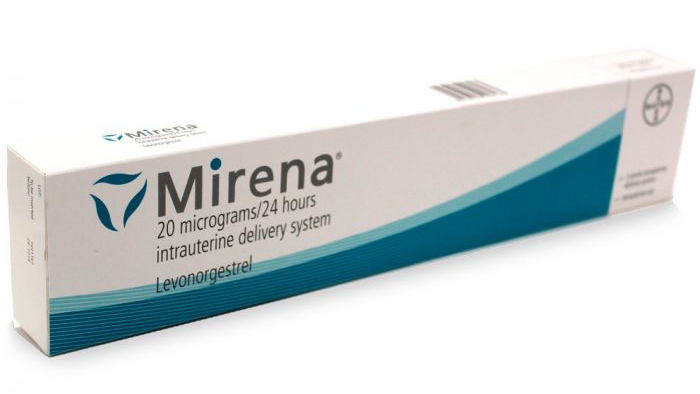
Unlocking the Mirena IUD: A detailed guide to effective contraception
1.6K
Welcome to your detailed guide to the Mirena IUD. If you’re considering this form of birth control or are simply curious, this article will cover everything you need to know so you can make an informed decision about this highly effective method of birth control.
What is in this article?
How the Mirena IUD works
The Mirena IUD is a revolutionary device in contraception. It is a small, T-shaped, flexible plastic piece that provides an effective long-term contraceptive solution. Its effectiveness comes from its multiple methods of action:
- Local hormone delivery: It contains levonorgestrel, a synthetic progesterone, which is slowly released into the uterus. This localized delivery system affects the reproductive cycle directly at the source without causing the body to produce excess hormones.
- Thickened cervical mucus: Thickened mucus in the cervix acts as a barrier, preventing sperm from entering the uterus.
- Suppress ovulation: For some women, Mirena may suppress ovulation, meaning no egg is released for fertilization.
- Unfriendly uterine environment: IUDs change the lining of the uterus, making it less suitable for a fertilized egg to implant and grow.
These mechanisms combine to make Mirena over 99% effective in preventing pregnancy.
Key benefits of using the Mirena IUD

- No daily attention required: Once inserted, Mirena can continue to work for up to five years without any ongoing maintenance.
- Less menstrual bleeding: Many users experience a decrease in menstrual bleeding, which can bring great relief.
- Long-term protection: It is one of the most reliable forms of contraception and is suitable for a wide range of women, including those who have never given birth.
- Reversible: If you decide to become pregnant, you can reverse its effects by simply removing the Mirena.
Insertion and aftercare

Preparation before insertion
consult: Before the procedure, you will have a consultation with a healthcare provider. This is an opportunity to discuss your medical history, any concerns you may have, and whether Mirena is the right birth control option for you.
Scheduling: Implantation is usually scheduled during the first week of your menstrual cycle. This time is chosen because the cervix naturally opens a little more at this time, which can make the implantation process easier.
Preoperative instructions: You may be advised to take an over-the-counter pain reliever (such as ibuprofen) a few hours before surgery to help relieve discomfort.
During insertion
Medical environment: The implantation process takes place in a healthcare provider’s office. It is critical that the procedure be performed by a trained professional to minimize risks and ensure proper placement.
Local anesthesia: Although it’s not always necessary, your healthcare provider may apply a local anesthetic to your cervix to reduce discomfort.
Placement Process:
- position: You will lie on an examination table, similar to getting a Pap smear.
- Speculum Insertion: A speculum is inserted into the vagina to hold it open so the cervix can be accessed.
- Cervical cleaning: Clean the cervix and vagina with an antiseptic solution.
- Measuring the uterus: A small instrument may be used to measure the depth of the uterus to ensure that the IUD is placed at the correct depth.
- IUD placement: The IUD is inserted through a thin tube that passes through the cervical canal and into the uterus. After insertion, the tube is removed and the IUD strings are cut to the appropriate length.
period: The actual insertion process usually only takes a few minutes.
Immediate protection: The Mirena IUD starts working right away, providing immediate contraceptive protection. No back-up contraception is needed.

Post-employment experience
Immediate postoperative care: You may have some immediate side effects, such as dizziness, cramping, or light bleeding. Most women feel well enough to go home soon after the procedure.
Short-term side effects:
- Cramping and spotting: Mild to moderate cramping and spotting are common for a few days to weeks after insertion. This is usually mild and can be relieved with over-the-counter pain medications.
- monitor: Check the IUD string end a few days after insertion and periodically thereafter, such as after each menstrual period. This is to make sure the IUD is still in place.
Follow-up: A follow-up visit is usually scheduled about 4 to 6 weeks after placement. This visit allows the healthcare provider to make sure the IUD is placed correctly, address any concerns, and answer any questions.
Long-term considerations:
- 1. Reduces Menstrual Periods: Many users experience a significant decrease in menstrual bleeding over time, and some may even stop menstruating altogether.
- Ectopic pregnancy and PID: Although it’s rare, be sure to watch for symptoms of possible complications, such as an ectopic pregnancy (a pregnancy that occurs outside the uterus) or pelvic inflammatory disease (PID). Symptoms may include unusual pain, fever, or unusual discharge.
By understanding what to expect throughout the Mirena IUD insertion process, you can better prepare for the procedure and know how to handle the recovery period.

Possible risks
- In rare cases, an IUD may be expelled from the uterus. If you experience severe pain or find an IUD in your underwear, contact your healthcare provider right away.
- There is a small chance that the Mirena IUD may puncture the uterine wall during insertion. This requires immediate medical attention.
- There is a risk of infection in the first few weeks after insertion. Seek medical help if you develop symptoms such as fever, chills, or severe abdominal pain.
How much will it cost you?

- Initial cost: The upfront cost of Mirena includes the price of the device itself, the insertion procedure, and any related medical expenses.
- Insurance coverage: Many health insurance plans will cover some or all of the cost of Mirena. It is recommended that you check with your insurance company for specific information on coverage.
- Cost-effectiveness: Considering Mirena’s five-year lifespan, it’s more cost-effective than other forms of birth control that need to be regularly renewed or purchased, such as the pill or patch.
Comparison of Mirena IUD and other birth control pills

| Contraceptive methods | Effectiveness (99%+) | convenient | period | side effect |
|---|---|---|---|---|
| Mirena IUD | Yes | Set it and forget it | Up to 5 years | Initially there is mild cramping and spotting |
| Contraceptive pills | Yes | Daily regimen | Daily | Nausea, weight changes, mood swings |
| Copper IUD | Yes | Long-term protection | Up to 10 years | Heavy menstrual bleeding and increased cramping |
| condom | Medium to high | Use as needed | Single use | not any |
| Diaphragm | Medium to high | Application required | Single use | Risk of displacement |
| Implant rods (such as Nexplanon) | Yes | Long-term protection | Up to 3 years | Irregular bleeding, weight changes |
| Contraceptive patch | Yes | Weekly Application | weekly | Skin irritation, hormonal side effects |
| Vaginal Ring (me, NuvaRing) | Yes | Monthly Application | per month | Vaginal irritation, hormonal side effects |
| Birth control injections (such as Depo-Provera) | Yes | Requires regular injections | Every 3 months | Menstrual irregularities, potential bone loss |
| Contraceptive stick | Yes | Insert the arm | Up to 3 years | Potential skin irritation, hormonal side effects |
| Contraceptive sponge | Yes | Pre-sex insertion | Single use | There is a risk of allergic reaction and insertion needs to be done with caution |
| Cervical cap | Medium to high | Application required | Single use | Must be left for several hours |
- Oral contraceptives: It needs to be taken every day, and due to missed doses, the actual effect of the drug may be reduced during use.
- Copper IUD: It is non-hormonal and lasts longer (up to 10 years), but can increase menstrual bleeding and cramping.
- Condoms and diaphragms: Provides barrier protection against STIs, but has a higher contraceptive failure rate than Mirena.
Frequently Asked Questions About Mirena IUD
- Will insertion be painful? Most women report feeling mild discomfort rather than pain during the procedure.
- Can you feel the IUD when it’s in place? Mirena is designed so that it is unnoticeable inside your body.
- What about fertility after removal? Once the IUD is removed, fertility usually returns to normal quickly.
- Does Mirena protect against sexually transmitted infections? No, it does not protect against sexually transmitted infections.
in conclusion
The Mirena IUD is a powerful and convenient contraceptive product that meets the needs of modern women seeking an effective and low-maintenance contraceptive method. With its proven track record and user satisfaction, it may very well be the solution you are looking for.