Anal Beads
 Anal Vibrators
 Butt Plugs
 Prostate Massagers
 Alien Dildos
 Realistic Dildos
 Kegel Exercisers & Balls
 Classic Vibrating Eggs
 Remote Vibrating Eggs
 Vibrating Bullets
 Bullet Vibrators
 Classic Vibrators
 Clitoral Vibrators
 G-Spot Vibrators
 Massage Wand Vibrators
 Rabbit Vibrators
 Remote Vibrators
 Pocket Stroker & Pussy Masturbators
 Vibrating Masturbators
 Cock Rings
 Penis Pumps
 Wearable Vibrators
 Blindfolds, Masks & Gags
 Bondage Kits
 Bondage Wear & Fetish Clothing
 Restraints & Handcuffs
 Sex Swings
 Ticklers, Paddles & Whips


LELO surveyed 2,000 Americans about honest sexual habits
New research shows that 25% of American couples have sex only once a month, or even less.
The new poll of 2,000 U.S. adults in a relationship or married found that keeping the spark alive can sometimes be a challenge, as 14 percent of respondents said their sex life was “unsatisfactory.”
However, according to the results, the couples surveyed performed the act an average of four times a month for 18.6 minutes each time – adding up 15 hours throughout the year.
Gen Z leads the way with the most monthly usage (5.3 times), followed by Millennials (5.1 times).
Although a minority were dissatisfied, 71% said they were satisfied with their sex lives, including 43% who were “very satisfied.”
The survey was commissioned today Conducted by Talker Research as part of a powerful trends report, the report puts a magnifying glass into the intimate lives of American couples.
Read the full report here: LELO Trend Report
The findings found a strong correlation between how behavior outside the bedroom translates into greater satisfaction in the bedroom.
Americans surveyed have an average of 2.4 date nights with their partners per month, and a shocking 27% said they have zero date nights per month.
When these data were separated by frequency of sexual intercourse, the study showed Couples who hang out together often are more likely to have tantrums in bed.
Among those who said they had sex “very frequently” (more than eight times a month), the group with the most date nights was 3.5 times a month.
Conversely, Americans surveyed “rarely” have sex (categorized as 0-1 times per month), and they have the fewest romantic nights out – just 1.2 times per month.
According to the data, this revelation also translates into how often we communicate with our partners via text, Texting more frequently leads to more frequent sex.
Those who have sex “often” are also the most likely to say they text their partner “often” (35%).
In contrast, those who said they “rarely” have sex were also the least likely to maintain ongoing text communication with their partner (9%).
“Over the past two decades, our lifestyles have accelerated to dizzying and sometimes overwhelming speeds, exacerbated by our reliance on technology,” said Luka Matutinovic, chief marketing officer at LELO. “As modern lifestyles become increasingly busy, maintaining a satisfying life has never been more important, as it provides individuals with significant physical, emotional and psychological benefits.”
Experimentation can help rekindle relationship fires, and Americans are no stranger to it: Survey shows Half of those surveyed (48%) have tried sex toys in the bedroom.
Gen Z was found to be the generation most likely to try sex toys (61%), followed by Millennials (54%).
Baby boomers, on the other hand, were the least likely, with only 26% saying they had tried sex toys.
For those who have tried it, vibrators (71%) and lube (65%) are the most common additions to intimate moments.
Long distance is no longer an obstacle to close relationships: A third of respondents (33%) have sexted with a partner, while 16% have tried FaceTime sex.
Young Americans are paving the way for virtual romance, with 55% of Gen Z Americans saying sexting is common in their relationships and 60% saying they have even shared nude/intimate photos with their partner.
Matutinovich concludes: “While there are differences in how individuals and generations achieve this, most people still take the time to focus on intimacy, open communication, savoring sensations, and paying attention to how they and their partners are feeling, which makes us feel optimistic about the future. By focusing on this, individuals can escape the always-on culture and cultivate a more balanced, fulfilling life. We’re always here to help.”
Ten life factors that hinder sex life
- fatigue 38%
- different sexual desires 29%
- health problems 29%
- work pressure 27%
- Children/Parenting Needs twenty two%
- family responsibilities 20%
- financial pressure 20%
- emotional distance 19%
- different schedules 18%
- technological interference 9%
Learn more from the LELO Trend Report.
Research methods:
Talker Research surveyed 2,000 Americans in relationships, evenly divided by generation (500 Gen Z, 500 Millennials, 500 Gen X, 500 Baby Boomers); commissioned by LELO, the survey was administered and conducted online by Talker Research from September 24-30, 2025.
To view the full methodology as part of AAPOR’s Transparency Initiative, visit Talker Research Process and Methods Page.

puzzle
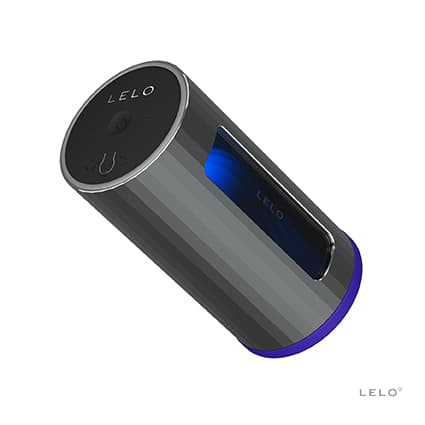
F1S V2
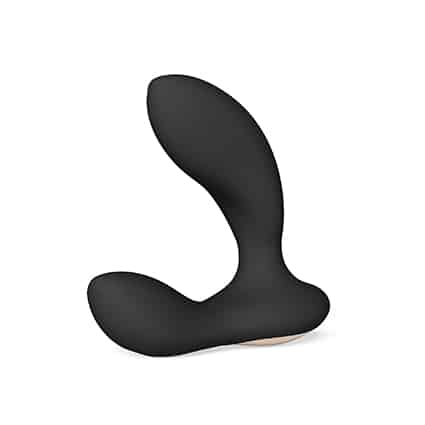
Hugo No. 2

Gigi 3
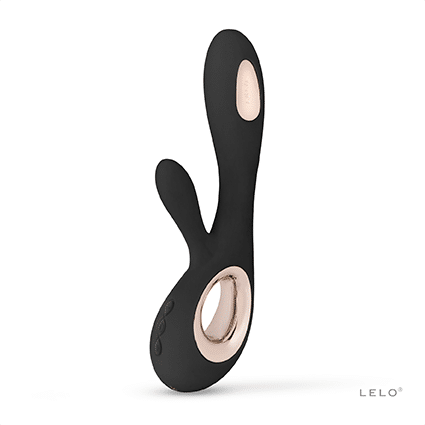
Soraya Po