

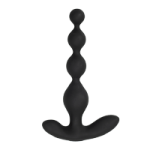
 Anal Beads
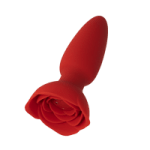 Anal Vibrators
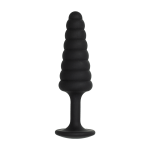 Butt Plugs
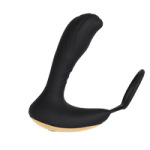 Prostate Massagers
 Alien Dildos
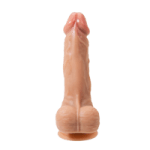 Realistic Dildos
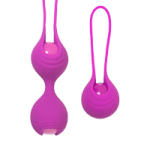 Kegel Exercisers & Balls
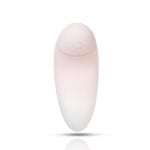 Classic Vibrating Eggs
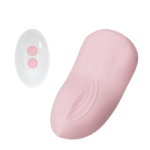 Remote Vibrating Eggs
 Vibrating Bullets
 Bullet Vibrators
 Classic Vibrators
 Clitoral Vibrators
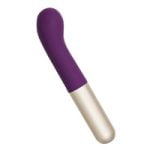 G-Spot Vibrators
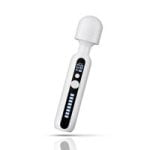 Massage Wand Vibrators
 Rabbit Vibrators
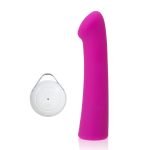 Remote Vibrators
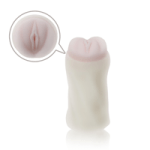 Pocket Stroker & Pussy Masturbators
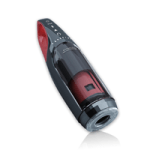 Vibrating Masturbators
 Cock Rings
 Penis Pumps
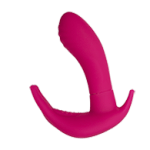 Wearable Vibrators
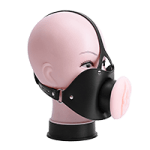 Blindfolds, Masks & Gags
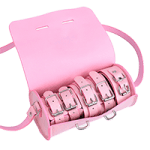 Bondage Kits
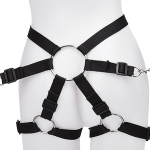 Bondage Wear & Fetish Clothing
 Restraints & Handcuffs
 Sex Swings
 Ticklers, Paddles & Whips


Inside the Job: My Life as a Professional Dildo Tester (Exploring the role firsthand)
Inside the Job: My Life as a Professional Dildo Tester
(Exploring the Role Firsthand)
As someone accustomed to the precision of bespoke tailoring, the weight of hand-stitched leather, and the allure of limited-edition craftsmanship, I never imagined my expertise in luxury would lead me into the world of high-end intimate products. Yet here I am—a professional dildo tester for a boutique brand favored by discerning clientele. Far from the crude caricatures pop culture might suggest, this role combines the rigor of material science, the nuance of sensory evaluation, and an uncompromising commitment to artisan-level quality. Think of me as a sommelier of silicone, a curator of pleasure, shaping experiences as meticulously as a master cobbler shapes leather.
The Connoisseur’s Journey: How I Entered the Field
My background wasn’t in adult products; it was in luxury retail. After a decade consulting for heritage fashion houses, a chance conversation at a design conference introduced me to Aesthetique Intime, a brand crafting pleasure objects with the ethos of haute couture. Their founder sought testers who understood premium materials like platinum-cure silicone, hand-poured resins, and sustainable woods—individuals with a refined eye for ergonomics and sensory detail. For clients who seek out $1,000 heels or hand-forged tableware, intimacy deserves equal artistry. I was intrigued—and signed on.
Deconstructing the Craft: Anatomy of a High-End Pleasure Object
Forget cheap plastics and garish colors. The products I test are sculptural, engineered with the precision of Swiss watchmakers and finished like Italian marble. My evaluations focus on five pillars:
-
Material Excellence
We work exclusively with non-porous, body-safe materials: medical-grade silicone, borosilicate glass, ceramic, and sustainably harvested hardwood. Each undergoes toxicology screenings and stability tests. For silicone, we assess durometer (firmness) variations—comparing a supple “cloud-silk” finish to the velveteen grain of calfskin. -
Ergonomic Innovation
Curvature, weight distribution, and grip are perfected through iterative prototyping. A design might be inspired by Brancusi sculptures or ergonomic tools, balancing aesthetic grace with anatomical intuition. I log hours assessing angles, pressure points, and kinetic flow—much like vetting the arch support of a custom shoe. -
Sensory Detailing
Temperature retention, texture gradation, and sound (or lack thereof) matter profoundly. A piece might feature a matte-finish shaft with a polished, weighted base. Testers document how materials feel against skin at different temperatures—does 24k gold plating radiate warmth? Does rose-quartz embody cool serenity? -
Aesthetic Cohesion
Collectors value discretion and beauty. Pieces double as objets d’art—think alabaster veining in resin or marbled silicone mimicking Carrara stone. My feedback ensures designs align with the luxury vernacular: minimalist, timeless, gallery-worthy. -
Durability & Safety
Every product undergoes stress tests: autoclave sterilization, tensile strength trials, and 10,000+ motion cycles. I inspect seams, joins, and finishes under magnification, flagging flaws invisible to the untrained eye.
A Day in My Life: From Lab to Ledger
My mornings begin in a lab-like atelier, surrounded by prototypes in varying stages. Donning white gloves, I examine new iterations for micro-imperfections—a faint seam line, a fractional weight imbalance. Afternoons involve blind sensory trials: assessing prototypes against control samples while logging experiences in a digital diary. Metrics include glide, thermal retention, and “fatigue threshold” (when discomfort emerges). Evenings are for market research: studying luxury trends, from sustainable sourcing to biometric design. This isn’t pornography; it’s R&D elevated to an art form.
The Unspoken Realities
- Ethics as Standard:
Consent and inclusivity govern our tests. Demographic diversity (age, body type, sensory preferences) ensures universal excellence. - The “Kiss Principle”:
Like a flawlessly draped gown, elite designs prioritize intuitive use. If a product requires instructions, it fails. - Sustainability Mandates:
Biomaterials, zero-waste packaging, and carbon-neutral shipping are non-negotiable—mirroring the values of eco-conscious luxury consumers.
Conclusion: Intimacy as the Ultimate Luxury
Curating pleasure isn’t about indulgence; it’s about honoring human senses with integrity. In my role, I bridge the gap between taboo and tastefulness, transforming intimacy into an experience as refined as sipping rare wine in a tailored suit. For the connoisseur who demands excellence in every facet of life, intimate products deserve no less scrutiny than their wardrobe or home. After all, luxury is the art of elevating the everyday into the extraordinary—and yes, that includes the private moments, too.
FAQ: Demystifying Professional Dildo Testing
Q1: Is this role only about sexual gratification?
Not at all. It’s a scientific, detail-oriented profession. Testers evaluate safety, material integrity, ergonomic function, and aesthetic design. The goal is optimizing user experience, not personal enjoyment.
Q2: What qualifications do you need?
A background in product design, materials science, sensory evaluation, or UX is invaluable. Ethical rigor, objectivity, and an understanding of luxury consumer psychology are equally critical.
Q3: How do you test for “comfort”?
Via biometric feedback, pressure mapping, and subjective diaries measuring long-term wearability—similar to testing orthopedic footwear. Comfort is quantifiable through metrics like friction coefficients and strain thresholds.
Q4: Are high-end products significantly different from mainstream options?
Absolutely. Luxury brands invest in non-toxic materials, artisan manufacturing (e.g., hand-poured silicone), and discreet, gallery-quality aesthetics. Compare couture to fast fashion—the attention to detail is incomparable.
Q5: What’s the biggest misconception about your job?
That it’s frivolous or prurient. In reality, we’re safeguarding users from toxins (like phthalates), innovating accessible ergonomics for disabled clients, and destigmatizing sexual wellness as part of holistic self-care.
Q6: How does sustainability factor in?
Pioneering brands now use plant-based silicones, recycled alloys, and biodegradable packaging. Testers scrutinize lifecycle impacts—an ethos mirroring high fashion’s shift toward conscious craftsmanship.
Q7: Who buys these luxury products?
Discerning clients seeking safety, artistry, and discretion. Collectors appreciate limited editions; design enthusiasts invest in functional art; others prioritize health-focused materials for long-term use.
Q8: Can testing ever be hazardous?
Not if protocols are followed. We adhere to ISO safety standards and clinical hygiene practices. Materials are vetted for inertness, avoiding allergens or irritants common in mass-market products.
Whether you own a closet of rare sneakers or commission handmade furniture, let this be an invitation: luxury is not confined to what’s seen. It thrives in the unseen details, the whispered intimacies, and the relentless pursuit of perfection—one impeccably crafted sensation at a time.