

 Anal Beads
 Anal Vibrators
 Butt Plugs
 Prostate Massagers
 Alien Dildos
 Realistic Dildos
 Kegel Exercisers & Balls
 Classic Vibrating Eggs
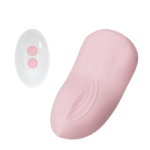 Remote Vibrating Eggs
 Vibrating Bullets
 Bullet Vibrators
 Classic Vibrators
 Clitoral Vibrators
 G-Spot Vibrators
 Massage Wand Vibrators
 Rabbit Vibrators
 Remote Vibrators
 Pocket Stroker & Pussy Masturbators
 Vibrating Masturbators
 Cock Rings
 Penis Pumps
 Wearable Vibrators
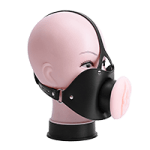 Blindfolds, Masks & Gags
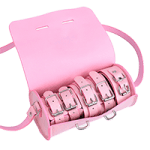 Bondage Kits
 Bondage Wear & Fetish Clothing
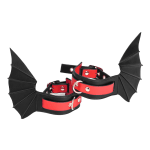 Restraints & Handcuffs
 Sex Swings
 Ticklers, Paddles & Whips







What is vaginal ulcer? What you need to know

Let’s face it – talking about vaginal health can be a difficult issue to discuss with anyone, even medical experts. However, these discussions are crucial to your health, especially when it comes to issues such as vaginal ulcers. While daily conversations may not occur, this situation is more common than you think – if you don’t know what’s going on, they can feel painful, uncomfortable and downright terrible.
Vaginal ulcers can be caused by a variety of causes, ranging from sexually transmitted infections (STIs) to daily irritation, and knowing these signs can help you get the right treatment sooner. Whether you’re feeling uncomfortable, unsure what’s causing it or just wanting to notify, this is everything you need to know about vaginal ulcers – what they are, how they happen and when to seek treatment.
What is vaginal ulcer?

Vaginal ulcers are open sores formed on the vulva, which are the outside of the female genitals. These sores may vary in size and appearance, but are often painful and may be accompanied by other symptoms such as swelling, excretion and even fever. Because the area is sensitive, ulcers can also cause discomfort during urination and other daily activities.
How do you get vaginal ulcers?
There are many reasons why vaginal ulcers can occur, and the reasons usually determine the treatment process. The most common reasons include:
1. Sexually transmitted infection (ETI)
This is the main cause of vaginal ulcer. Genital herpes, syphilis and crowns are three sexually transmitted infections associated with ulcer development. Genital herpes is the most widely culprit, affecting about 12% of Americans under 50 years of age, according to the Centers for Disease Control and Prevention (CDC).
2. Non-STD infection
Not all infections that cause ulcers are sexually transmitted. Bacterial, viral or fungal infections (such as yeast infection or bacterial vaginosis), which can also cause ulcers if not treated or stimulated.
3. Autoimmune conditions
Certain autoimmune diseases may also manifest themselves in conjunction with vaginal ulcers. These include Behcet disease and Crohn disease, both of which cause inflammation throughout the body, including the genital area.
4. Body stimulation
Daily activities or products can sometimes trigger ulcers. These include:
- Repeated friction (e.g., wearing tight clothing or strenuous sexual activity)
- Allergic reactions (e.g., condoms or sanitary products)
- Harsh soap or enema
- Long-term moisture or heat trapped by underwear (this can lead to yeast or bacterial infection)
In addition to visible sores, you may burn, swell, vaginal bleeding, pain in urination and even fever based on the root cause.
How to treat vaginal ulcers?
Treatment may depend on the factors that cause the ulcer. Sexologist Sofie Roos recommends investing in mild, odorless soap made for vaginas, or using only water when cleaning. “Stay away from tight clothing, use underwear made of cotton that breathes well during the day, and sleep without underwear,” she said.
Given the various treatments available, here’s what you can expect (or DIY at home to minimize symptoms):
- Topical drugs such as lidocaine (relieving pain) or zinc oxide (protecting the skin)
- If bacterial infection is the root cause, antiviral drugs or antibiotics
- Over-the-counter painkillers, such as ibuprofen or acetaminophen
- Soothing bathroom or Sitz bathroom to relieve irritation
- Cool compression to reduce inflammation
When to see a doctor
“Once you find something unique, you want to contact your healthcare provider,” said Dr. Lopa Pandya, a urology native, reconstruction surgeon and Aeroflow urology consultant. From there, they will ask about sexual history, medical history of medications, and general symptomology. “Patients may also test sexually transmitted infections with swabs or blood tests. Be careful about the diseases that may cause ulcers, because there are autoimmune diseases that may be associated with vaginal ulcers,” she said.
Genital herpes can be transmitted sexually regardless of whether you have symptoms or not. The American Sexual Health Association (ASHA) notes that multiple instances may occur, including asymptomatic reactivation, asymptomatic shedding or subclinical shedding, meaning the virus may exist but has not shown any symptoms yet.
But if the ulcer is caused by an allergic reaction from gender friction or odor products, Roos says simply avoiding sexual intercourse, while irritation can cure the problem without medication.
If you encounter anything different, you should date your healthcare provider, including:
- On-site pain
- Vaginal abnormalities
- Foam-like lesions (or solid lesions)
- Itching
- bleed
- Urinary symptoms (pain, urgency)
- Pain during sexual intercourse
- Systemic symptoms (fever, fatigue, body aches)
Vaginal ulcers can be painful and disturbing, but they can usually be treated once the cause is determined. Whether it is a STD, stimulation or underlying health condition, early diagnosis and treatment are key. Don’t be afraid to seek medical advice. It’s better to get help from a professional first rather than letting the symptoms progress, which may promote complications that may be harmful to your health.