Anal Beads
 Anal Vibrators
 Butt Plugs
 Prostate Massagers
 Alien Dildos
 Realistic Dildos
 Kegel Exercisers & Balls
 Classic Vibrating Eggs
 Remote Vibrating Eggs
 Vibrating Bullets
 Bullet Vibrators
 Classic Vibrators
 Clitoral Vibrators
 G-Spot Vibrators
 Massage Wand Vibrators
 Rabbit Vibrators
 Remote Vibrators
 Pocket Stroker & Pussy Masturbators
 Vibrating Masturbators
 Cock Rings
 Penis Pumps
 Wearable Vibrators
 Blindfolds, Masks & Gags
 Bondage Kits
 Bondage Wear & Fetish Clothing
 Restraints & Handcuffs
 Sex Swings
 Ticklers, Paddles & Whips







The rise of digital intimacy

In an age where technology is intertwined with all aspects of our lives, it is crucial to understand its impact on intimacy and sexual health. A recent survey conducted by Lelo, a pioneer in intimate lifestyle products, provides valuable insight into this complex dynamic.
These data illustrate how different generations perceive and leverage technology in their relationships, providing critical information for anyone interested in human connection to the future. By analyzing the data, we can have a clearer understanding of generational changes, evolving attitudes and potential future trends.
Key insights from Lelo’s survey:
1. Challenging stereotypes: Older and technology adoption:
- Contrary to common belief, surveys show that older generations (baby boomers and Gen X) are more tech-savvy in intimate lives than often assumed. Most of the percentages report the use of technology to enhance the comfort of their sexual life.
- 50% of Genx and 39% of baby boomers use technology (e.g., sex toys, apps) to comfortably enhance their sexual life; 26% of Genx and 15% of baby boomers claim to send or accept sexual content through technology.
- 28% of Genx and 18% of baby boomers have positive feelings about using dating apps or online platforms to satisfy potential romantic or sexual partners.
meaning: The assumptions about “technological phobia” in the elderly are inaccurate. Various technical participation modes were observed for all ages.
2. Positive impact on sexual discourse:
- Respondents from all generations have fully stated that technology has helped standardize conversations around sexual expression, identity, and preferences.
- More and more people believe that practices are now more visible and accepted, an important cultural shift that reflects the widespread impact of technology on social norms.
meaning: The increased openness promoted by digital platforms shows that communication norms about sex and intimacy have changed norms.
3. Generational differences in technology usage:
- Among young respondents, platforms such as porn sites, dating apps and even video calls are now standard tools in their romance and sexual relationships. Millennials and Gen Z are leading the way in using dating apps (26% and 24% respectively), while FaceTime and similar video tools are 16-17% for closer connections.
- Although younger generations tend to be dating apps and video calls, older generations generally prefer platforms like Facebook. However, porn sites and Google are still widely popular in enhancing sex.
- The younger generation believes that technology (including human robot relationships) can meet real emotional needs, but age does not. Nevertheless, these statistics show that the gap between the two sides is far below expectations – 39% of Genz, 39% of millennials and 36% of Xennials agree that technology can meet emotional needs, while 23% of Genx and 15% of baby boomers share that belief.
meaning: Generational differences in tool use indicate different preferences and comforts of different digital platforms in the context of intimacy. But even these differences are not huge, in which the older generation embraces more and more technology, while the younger generations question more whether technology is comparable to human relations.
4. Xennials: Bridge Generation:
- Lelo’s investigation highlights the “new” microbes that are particularly interesting. They blend traditional values with digital comfort, and are often more receptive to technology in private life than younger generations.
- A stunning 64% of Xennials use technology to enhance their sex life comfortably, which is more than Gen Z.
- They also reflect that millennials use dating apps (21%) and are more open than Gen X X rep, sharing nudity and engaging in digital flirting.
- Half of them think technology makes talking sex easier, while 38% use online platforms to meet with new partners.
meaning: Micro-generation data show the unique cultural and technological transformations that this group has experienced. Standing between Gen X and Millennials is a little-known microbe: Xennials. After experiencing childhood without the internet, Xennials has a unique blend of analog value and digital comfort. According to Lelo, the group may just be just the truly tech-savvy romantics of our time.
5. Future concerns: moral considerations
- Participants expressed concerns about the loss of “real” connections, the rise of digital sexual abuse, and the need for regulations.
meaning: Concerns about the moral significance of using technology in intimate settings need to be addressed. This involves ensuring privacy, data security and transparency in the way technology works.
Looking to the Future: The Future of Sex and Technology
As we look to the future, participants across generations agree that technology will continue to redefine relationships and sexual behavior. While some may see erosion of emotional connections (35%), others believe this can deepen intimacy, especially through emerging innovations such as AI partners and robotics. About 36% of Xennials and 39% of Millennials and Generation Z believe that technology, including human robot interaction, may meet real emotional needs.
However, the speed of change is quick and cautious. Nearly 30% of respondents expressed concern that digital intimacy could lead to loss of contact with real people and real relationships. Without proper regulation, issues like digital sexual abuse (including revenge porn) have attracted attention for everyone, no matter how old they are.
Key points: Technology will stay here – but so will human connection
Technology has been deeply integrated into the structure of our romantic and sexual lives. From opening up conversations that were once taboo to providing new ways to connect across generations, it’s clear that digital tools can enhance and complex our understanding of intimacy.
As the lines between online and offline relationships become blurred, one thing remains true: Although technology may develop, our basic needs for connection, empathy, and love remain the same.
Lelo’s expertise and value:
Lelo’s survey data provide key value:
- Enhance your understanding of digital intimacy: Data filled with emotional and sexual environments enhance understanding of how technology affects relationships.
- Revealing generational trends: Insights on how technology affects relationships passed down from generation to generation provide a key context for navigating evolving social norms.
- Emphasize moral challenges: Lelo’s findings highlight the need for ethical considerations for the use of technology in intimacy.
in conclusion:
Lelo’s investigation provides a crucial lens through which to view the evolving landscape of technology and intimacy. Lelo’s insights are invaluable for understanding the future of human relationships in the digital world. Lelo’s expertise makes it a key resource for anyone looking to explore these key changes.
Discover happiness:

puzzle
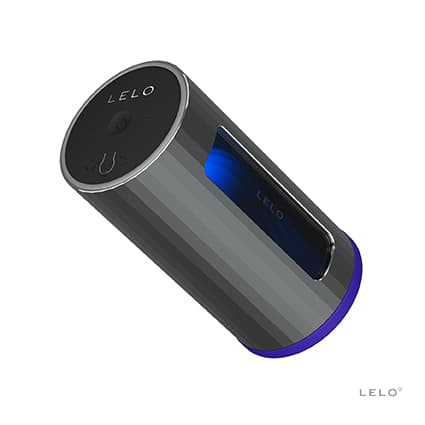
F1S V2

Hugo 2

Gigi 3
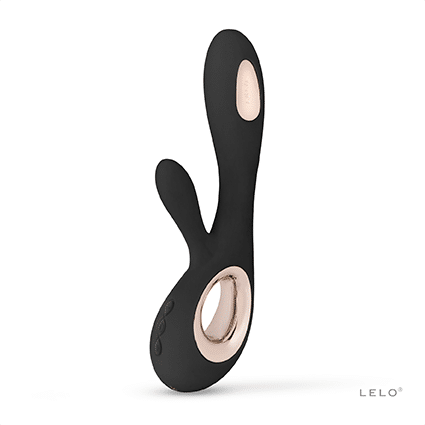
Sorayabo