

 Anal Beads
 Anal Vibrators
 Butt Plugs
 Prostate Massagers
 Alien Dildos
 Realistic Dildos
 Kegel Exercisers & Balls
 Classic Vibrating Eggs
 Remote Vibrating Eggs
 Vibrating Bullets
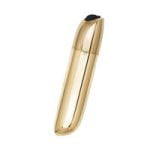 Bullet Vibrators
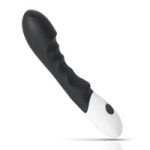 Classic Vibrators
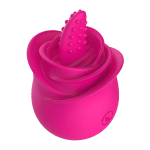 Clitoral Vibrators
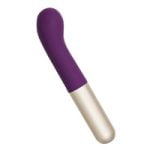 G-Spot Vibrators
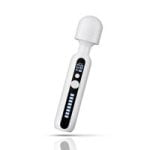 Massage Wand Vibrators
 Rabbit Vibrators
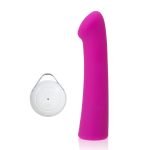 Remote Vibrators
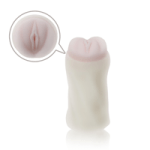 Pocket Stroker & Pussy Masturbators
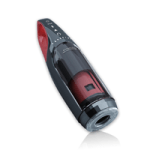 Vibrating Masturbators
 Cock Rings
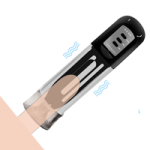 Penis Pumps
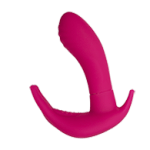 Wearable Vibrators
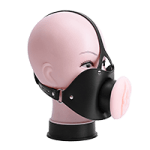 Blindfolds, Masks & Gags
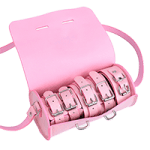 Bondage Kits
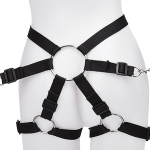 Bondage Wear & Fetish Clothing
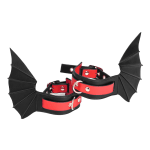 Restraints & Handcuffs
 Sex Swings
 Ticklers, Paddles & Whips


The Market for Used Dildos

Beyond Taboo: Deconstructing the Non-Existent "Market for Used Dildos"
The world of luxury commerce is vast and often surprising, encompassing rare collectibles, bespoke craftsmanship, and exclusive experiences. Yet, amidst discussions of vintage Hermès or limited-edition timepieces, an unsettling term occasionally surfaces in fringe corners: "The Market for Used Dildos." For discerning consumers accustomed to the principles of quality, exclusivity, and above all, hygiene and safety, the very concept demands rigorous examination and unequivocal clarification.
Dispelling Myths & Understanding Absolute Boundaries
Contrary to sporadic anecdotes or dark web whispers, a legitimate, safe, or ethically sound secondary market for genuinely used personal pleasure devices does not exist. Promoting such a market fundamentally misrepresents reality and ignores critical scientific, medical, and ethical imperatives.
Here’s a detailed analysis rooted in practicality, material science, and consumer welfare:
1. The Impenetrable Hygienic Imperative:
- Material Porosity: The vast majority of intimate wellness products (vibrators, dildos, plugs) are crafted from body-safe silicones, plastics like ABS or TPE/TPR, glass, or metal. Crucially, body-safe silicone (platinum-cure) is non-porous in an ideal, intact state. However, microscopically, no surface exposed to bodily fluids, lubricants, and mechanical stress over time is entirely invulnerable to trapping contaminants. Materials like TPE/TPR are explicitly porous, harboring bacteria, fungi (yeast), and viruses deep within their structure. These microbes are impossible to eradicate through conventional cleaning methods, even boiling or chemical sterilization.
- Sterilization Impossibility: Autoclaving (high-pressure steam sterilization used medically) would melt non-metal/non-glass substrates. Chemical sterilization (like hospital-grade glutaraldehyde) is harsh, requires specialized protocols, leaves harmful residues, degrades materials, and doesn’t guarantee penetration into micro-abrasions. UV light sanitizers effective against surface pathogens won’t reach deep within porous materials or micro-tears.
- STI Risks: Herpes Simplex Virus (HSV), Human Papillomavirus (HPV), Hepatitis B (HBV), and even HIV can theoretically survive dried bodily fluids on surfaces for varying, sometimes surprisingly long, periods depending on conditions. Bacterial infections like E. coli, streptococcus, or fungi causing candidiasis are definite risks from contaminated porous toys that appear clean.
2. Material Degradation & Integrity Failure:
- Micro-tears and Degradation: Over time, even the highest-grade medical silicone develops micro-tears from repeated use, cleaning stress, interactions with lubricants (oil-based lubricants degrade silicone), and temperature fluctuations. These invisible fissures create sanctuaries for pathogens that regular cleaning brushes won’t reach. Porous materials degrade faster, becoming tacky, crumbling, and harboring more bacteria.
- Structural Weakness: Used toys, especially flexible ones subjected to repetitive stress, can develop weak points prone to unexpected rupture during use – a serious safety hazard.
- Chemical Leeching: Degraded TPE/TPR or unstable PVC/“jelly” rubber can leach plasticizers and other potentially toxic chemicals into mucous membranes over time.
3. Ethical & Legal Non-Compliance:
- Consumer Safety Violation: Selling a used intimate item as suitable for reuse inherently breaches consumer safety laws worldwide, misleading buyers about significant health risks. Hygiene standards legally applied to medical devices or food-contact surfaces are categorically impossible to meet with reused personal toys.
- Public Health Concerns: Inadvertently facilitating the transmission of infections poses a genuine public health concern.
- False Advertising: Presenting a used product as safe or sterilized is fundamentally fraudulent.
Understanding the Nuances: Collectibility vs. Usability
So, does any context exist where "used" intimate items might hold value? The distinction lies solely in non-functional collectibility:
- Vintage Novelty Items: Collectors (often historians of erotica, pop culture enthusiasts) may seek truly antique pieces made from inert materials like Bakelite, hardened glass (prior to coatings), or specific metals primarily for display. Crucially:
- These are curiosities, not functional sex toys.
- Provenance must be documented (ideally pre-1970s mass production).
- Materials must be carefully assessed (e.g., avoiding lead-based paints, crumbling rubber).
- They carry significant disclaimers: "Historical Display Piece Only – Never For Intimate Use."
- This parallels collecting vintage medical instruments – valued for history, not modern medical application.
- "Unused but Resold" Items: Platforms exist for unworn luxury fashion or sealed electronics. The key differentiator for intimate items is new-in-package/unused condition. Selling an unused, sanitizable item (in its original sealed packaging) from a reputable brand differs fundamentally. Hygiene hinges on the state of the original packaging, adherence to manufacturer storage standards, and rigorous verification processes by the reseller. Reputable platforms like Lounge might handle new, sealed adult products adhering strictly to manufacturer specifications, but NEVER used items.
Shifting Focus: The Luxury Alignment with Quality, Sustainability & Discretion
The affluent consumer’s mindset – prioritizing superior craftsmanship, discretion, and increasingly, sustainable practices – aligns perfectly with rejecting the "used dildo market" concept as implied reuse. Instead:
- Investing Wisely: Opt for reputable brands using certified materials (medical-grade platinum silicone, stainless steel, borosilicate glass, body-safe ABS plastic). Prioritize quality over quantity. Brands like Lelo, Fun Factory, Dame Products, We-Vibe, and NJOY are renowned for their premium materials and engineering.
- Embracing Certified Circularity (Recycling Programs): Several leading manufacturers now offer robust recycling initiatives:
- We-Vibe Recycle Program: Accepts used electronics components (motors) separately from silicone parts for specialized recycling.
- Fun Factory Green Motion: Offers recycling of their silicone toys (clean and disinfected) and electronics globally – separating materials expertly.
- Lelo: Operates recycling programs in select regions for specific materials.
- Supporting these programs directly channels resources towards minimizing landfill impact without compromising hygiene, embodying true environmental responsibility.
- Proper Disposal & Discretion: For older toys, especially expired lubricants or compromised items, dispose of them responsibly. Wrap securely in opaque material before discarding. Remove batteries from electronic devices and recycle them separately according to local regulations.
- Sustainable Lubricants: Explore luxury, biodegradable, organically certified lubricants (water-based or silicone-based) from companies like Sliquids or Überlube, minimizing environmental impact sans health risks.
Conclusion: Prioritizing Health, Integrity, and Ethical Consumption
The notion of a "Market for Used Dildos" as a legitimate avenue for consumer purchase is conclusively debunked by fundamental principles of microbiology, materials science, hygiene, and ethical commerce. It represents a fundamental misunderstanding of risk and a compromise on core values of well-being and safety.
For the discerning individual – the collector, the connoisseur, the environmentally conscious – the path forward lies not in seeking secondhand intimate devices, but in:
- Unyielding Commitment to Health: Purchasing only new, body-safe products from trusted brands adhering to the highest manufacturing standards.
- Championing Verified Sustainability: Supporting reputable recycling programs offered by manufacturers dedicated to responsible end-of-life management.
- Investing Long-Term: Allocating resources towards enduring quality items that deliver reliability and satisfaction.
- Upholding Ethical Standards: Rejecting concepts promoting unsafe reuse unequivocally.
Luxury is intrinsically linked to safety, discretion, responsibility, and an appreciation for authentic value. True sophistication lies in understanding boundaries and making informed choices that protect both personal well-being and collective public health. Discard the myth of the "used market;" embrace the principles of conscientious intimacy and sustainable luxury.
FAQ: Demystifying "Used" Intimate Wellness Products
-
Q1: Is it ever safe to use a dildo or vibrator that someone else has used?
- A: Absolutely not. No effective method exists to completely sterilize porous materials (TPE, TPR, jelly rubber) against persistent bacteria, fungi, and viruses trapped deep within micro-tears and pores. Non-porous materials (high-end silicone, metal, glass) still risk degradation and pathogen entrapment at a microscopic level after repeated use, making sterilization impossible to guarantee. The health risks (STIs, bacterial/viral infections, chemical exposure) far outweigh any perceived benefit.
-
Q2: What about collectible vintage "marital aids"? Are those worth anything?
- A: Some antique objects from the pre-plastic era (e.g., early 20th-century Bakelite vibrators, decorative glass or metal pieces) may have value only as historical curiosities or display items. They must never be used intimately. Materials degrade, coatings flake off (potentially toxic), and verifying true sterility is impossible. Their value lies purely in provenance and novelty for collectors, similar to antique medical instruments kept behind glass.
-
Q3: I see listings online for "unused" or "only cleaned" adult toys on secondhand marketplaces. Is this safe?
- A: Buying "unused" items carries significant risk:
- Authenticity: Verifying the original sterile packaging is truly unbreached is difficult. Tampering is possible.
- Storage: Was it stored correctly (away from heat, chemicals) during its "unused" period? Degradation can occur without opening.
- Potential Misrepresentation: Items can deteriorate within compromised packaging or be sold fraudulently.
- Cleaned" is Meaningless: "Cleaned" labels offer zero health assurance for materials meant to be used once per owner.
- Recommendation: Source only new, sealed products directly from reputable retailers or, potentially, specialized luxury resale platforms known for stringent authentication processes and explicit policies against selling used intimate items.
- A: Buying "unused" items carries significant risk:
-
Q4: How should I dispose of old sex toys responsibly?
- A: Prioritize manufacturers’ recycling programs first if applicable (separating electronics/plating/silicone). For others:
- Smoothed-Finished Metals/Glass/Stereolithography (Resin): Clean thoroughly, wrap securely, and discard in the regular trash (remove batteries). Research hazardous waste options if locally available.
- Silicone-only Toys (No Motors/Metal): Clean thoroughly. While technically unrecyclable in most municipal streams responsibly wrapping securely and discarding in the trash is currently the best option apart from manufacturer recycling.
- Electronics: Remove batteries (dispose at battery recycling points). Clean exterior, wrap opaque cardboard securely, discard as e-waste or regular trash per regulations.
- Often Separated thermoplastics/PVC/jelly Rubber/TPPeaters: Discard wrapped securely (these materials pose long-term environmental hazards). Remove batteries separately.
- A: Prioritize manufacturers’ recycling programs first if applicable (separating electronics/plating/silicone). For others:
- Q5: What’s the safest way to participate in sustainable consumption regarding intimate products?
- A: Focus on these pillars:
- Buy High-Quality & Lasting: Invest in durable toys made from nonporous, body-safe materials designed for longevity.
- Support Verified Recycling: Choose brands with established recycling programs and utilize them.
- Mindful Purchasing: Avoid trendy/disposable items. Choose versatile pieces you truly value.
- Biodegradable/Organic Lubricants: Minimize synthetic chemical pollution.
- Ethical Disposal: Always discard unusable items responsibly and discreetly according to material types. Never resell unsanitizable used goods. Protecting health is paramount sustainable practice.
- A: Focus on these pillars: