
 Anal Beads
 Anal Vibrators
 Butt Plugs
 Prostate Massagers
 Alien Dildos
 Realistic Dildos
 Kegel Exercisers & Balls
 Classic Vibrating Eggs
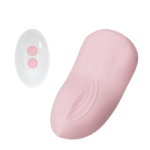 Remote Vibrating Eggs
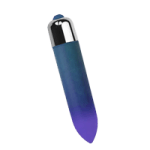 Vibrating Bullets
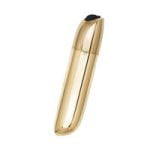 Bullet Vibrators
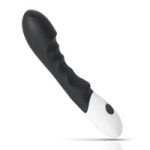 Classic Vibrators
 Clitoral Vibrators
 G-Spot Vibrators
 Massage Wand Vibrators
 Rabbit Vibrators
 Remote Vibrators
 Pocket Stroker & Pussy Masturbators
 Vibrating Masturbators
 Cock Rings
 Penis Pumps
 Wearable Vibrators
 Blindfolds, Masks & Gags
 Bondage Kits
 Bondage Wear & Fetish Clothing
 Restraints & Handcuffs
 Sex Swings
 Ticklers, Paddles & Whips


Sex and Your Cycle: The Follicular Phase | Sex Toys Blog

Everything in life is cyclical: the seasons, the planets’ orbits around the sun, the moon’s waxing and waning, and, you know, your menstrual cycle.

The menstrual cycle consists of 4 phases (some of which overlap): the menstrual phasethe follicular phase, ovulationand the luteal phase, all of which impact your sex life.
Understanding how these natural phases influence your experience of desire, pleasure, and fertility can strengthen your connection and understanding of your body throughout the peaks and valleys of your cycle.
Here, we break down everything you need to know about phase two: your follicular phase.
Understanding the Follicular Phase
Your ruleswhich typically lasts from day 1 to day 5 of a (roughly) 28-day cycle, marks the beginning of your follicular phase.
Often the longest part of your menstrual cycle, the follicular phase begins on the first day of your period and ends with ovulation, lasting about 16 days in total (more than half of your cycle). That being said, it can actually last anywhere from 11 to 27 days depending on what’s normal for you.
The main purpose of the follicular phase is to help you release an egg (that biological imperative, baby).
The Follicular Phase and Your Hormones
The follicular phase begins when your body’s hormonal control center, the hypothalamus — a structure located deep inside your brain —Follicle-stimulating hormone (FSH) is a hormone that causes the ovaries to produce 5 to 20 small pods, each containing an immature egg. These pods are called follicles, and throughout the follicular phase, they develop.

At some point, one follicle becomes dominant while the others are reabsorbed by your body. The surviving follicle containing the maturing egg increases your estrogen levels, which in turn causes your uterine lining to thicken in preparation for a possible pregnancy. At this point, FSH levels begin to drop, while another pituitary hormone known as luteinizing hormone (LH) begins to rise. The increase in LH shuts down estrogen production and the next phase begins: ovulation.
Although every body is different, many people tend to feel happier, more energetic, optimistic and focused during THE follicular phase, as well as a slight increase in body temperature. You may feel more outgoing and less anxious. Some people say this is the phase when they feel most like themselves. It may also be the phase when you are most likely to get what you are looking for (as the nam says), but we will come back to that.
Sex and the follicular phase
While every person is different, it is common to experience increased sexual arousal and desire due to increased estrogen levels throughout the follicular phase. Specifically, many people experience higher libido This is at the end of the follicular phase, when there is a surge of LH, and/or at the beginning of ovulation, when estrogen is at its peak. This makes sense from a biological standpoint, because the body’s desire to reproduce is very real.
This hormonal stage of the menstrual cycle leading to ovulation can improve libidomaking you more responsive to sexual stimuli. In other words, a kiss may not be just a kiss during this time, as your sexual responses are primed and ready for action. You might also notice an increase vaginal lubricationwhich can of course be there to improve comfort and increase your pleasure.
Additionally, some women report feeling more confident, attractive, and sexy during the follicular phase, which can (and does!) have a positive impact on their sexual experiences.
For many, the combination of hormonal changes and psychological factors at play during the follicular phase can lead to a fuller and more satisfying life. sexual experiences—then make room.
The follicular phase and fertility
If you have a longer than average follicular phase, this means that for a number of possible reasons (eg. hormonal birth control Or vitamin D deficiency)-it takes your body needs more time to ovulate. That being said, those with a long follicular phase arehave as much chance of conceiving as those with a “normal” follicular phase.

Having a shorter than average follicular phase can impact on your ability to conceive, however. This could be a sign that you have symptoms of perimenopause-in other words, approaching menopauseThe follicular phase can begin to shorten as early as your late 30s. Note: Although you are less likely to get pregnant during perimenopause, it still happens. all the timeSo if it’s still in your plans, rest assured. And if it’s not, don’t stop taking precautions!
Bottom line: Whether or not you’re planning on having a baby, understanding the fluctuations of your menstrual cycle can be a game changer. Developing an intimate and intricate understanding of your body’s inner workings is not only the first step to becoming a vibrant sex goddess; it’s also an essential part of overall health and wellness.
<3